
High blood pressure, also called hypertension, is a very common health issue that affects millions of people around the world. Many people don’t even realize they have it because it often has no clear symptoms. That’s why it’s sometimes called the “silent killer.” If left untreated, high blood pressure can lead to serious problems like heart disease, stroke, and kidney damage.
The good news is that you can lower your blood pressure naturally by making simple changes in your daily life. You don’t always need medication, especially in the early stages. In this article, we will explore easy, practical, and natural ways to manage and reduce high blood pressure.
1. Eat a Healthy and Balanced Diet
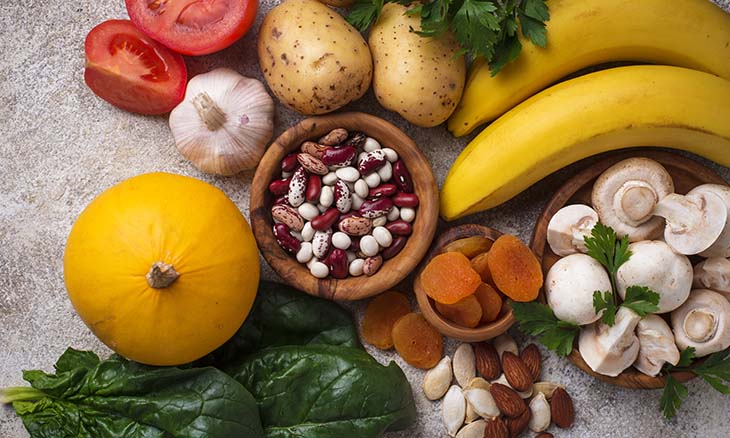
Your diet plays a major role in controlling blood pressure. Eating the right foods can help your heart stay strong and your blood vessels healthy.
Try to include:
- Fresh fruits like bananas, oranges, and apples
- Vegetables like spinach, carrots, and broccoli
- Whole grains such as brown rice and oats
- Lean proteins like chicken, fish, and beans
Reduce foods that are high in salt, sugar, and unhealthy fats. Processed foods like chips, fast food, and canned items often contain too much sodium, which can raise your blood pressure.
A simple rule: the more natural your food is, the better it is for your body.
2. Cut Down on Salt (Sodium)
Salt is one of the biggest causes of high blood pressure. When you eat too much salt, your body holds onto water, which increases the pressure in your blood vessels.
Tips to reduce salt:
- Avoid adding extra salt to your meals
- Check food labels before buying packaged items
- Use herbs and spices like garlic, lemon, and black pepper for flavor
Even a small reduction in salt can make a big difference in your blood pressure levels.
3. Stay Physically Active
Exercise is one of the most effective natural ways to lower blood pressure. It helps your heart become stronger and improves blood flow.
You don’t need to go to the gym. Simple activities can help:
- Walking for 30 minutes daily
- Cycling
- Light jogging
- Dancing
Try to stay active at least 5 days a week. Even small movements, like taking the stairs instead of the elevator, can help.
4. Maintain a Healthy Weight
Being overweight puts extra pressure on your heart and blood vessels. Losing even a small amount of weight can significantly reduce blood pressure.
You don’t need extreme dieting. Focus on:
- Eating smaller portions
- Avoiding late-night eating
- Choosing healthier snacks like fruits instead of junk food
Consistency is more important than quick results.
5. Manage Stress Properly
Stress is a hidden factor that can increase blood pressure. When you are stressed, your body releases hormones that tighten your blood vessels.
Simple ways to manage stress:
- Practice deep breathing
- Spend time in nature
- Listen to calm music
- Talk to friends or family
You can also try meditation or prayer if it suits your lifestyle. Even 10–15 minutes of relaxation daily can help.
6. Get Enough Sleep
Poor sleep can affect your blood pressure. If you don’t sleep well, your body doesn’t get enough time to recover and relax.
Tips for better sleep:
- Go to bed at the same time every night
- Avoid using your phone before sleeping
- Keep your room quiet and comfortable
Aim for 7–8 hours of sleep each night.
7. Limit Caffeine and Sugary Drinks
Drinks like coffee, energy drinks, and sugary sodas can raise your blood pressure temporarily. While some people can tolerate caffeine, others are more sensitive.
Try to:
- Reduce coffee intake
- Drink more water
- Replace sugary drinks with fresh juices or herbal teas
Water is always the best choice for your overall health.
8. Avoid Smoking and Alcohol
Smoking damages your blood vessels and increases your blood pressure instantly. Alcohol, when consumed in excess, can also raise blood pressure.
If you smoke, try to quit gradually or seek support. Limiting alcohol intake can also bring noticeable improvements in your health.
9. Stay Hydrated
Drinking enough water helps your body function properly. When your body is dehydrated, your blood vessels can tighten, which increases pressure.
Aim to drink at least 6–8 glasses of water daily, depending on your activity level and climate.
10. Monitor Your Blood Pressure Regularly
Keep track of your blood pressure to understand what works for you. You can use a home blood pressure monitor or visit a clinic.
Regular monitoring helps you:
- Stay aware of changes
- Adjust your lifestyle if needed
- Prevent complications early
Final Thoughts
Lowering high blood pressure naturally is not about making one big change—it’s about making many small, healthy choices every day. You don’t have to be perfect. Start with one or two changes and slowly build better habits.
Your body responds well to consistency. Over time, these natural methods can improve not only your blood pressure but also your overall health and well-being.
Frequently Asked Questions (FAQs)
1. Can high blood pressure be cured naturally?
High blood pressure may not always be completely cured, but it can be controlled very effectively through natural lifestyle changes like diet, exercise, and stress management.
2. How long does it take to lower blood pressure naturally?
It depends on the person, but many people start seeing improvements within a few weeks of making healthy changes.
3. Is walking enough to reduce blood pressure?
Yes, regular walking for 30 minutes a day can significantly help lower blood pressure and improve heart health.
4. Which foods lower blood pressure quickly?
Foods rich in potassium like bananas, leafy greens, and yogurt can help manage blood pressure over time.
5. When should I see a doctor?
If your blood pressure stays high despite lifestyle changes or if you feel symptoms like headaches, dizziness, or chest pain, you should consult a doctor immediately.