

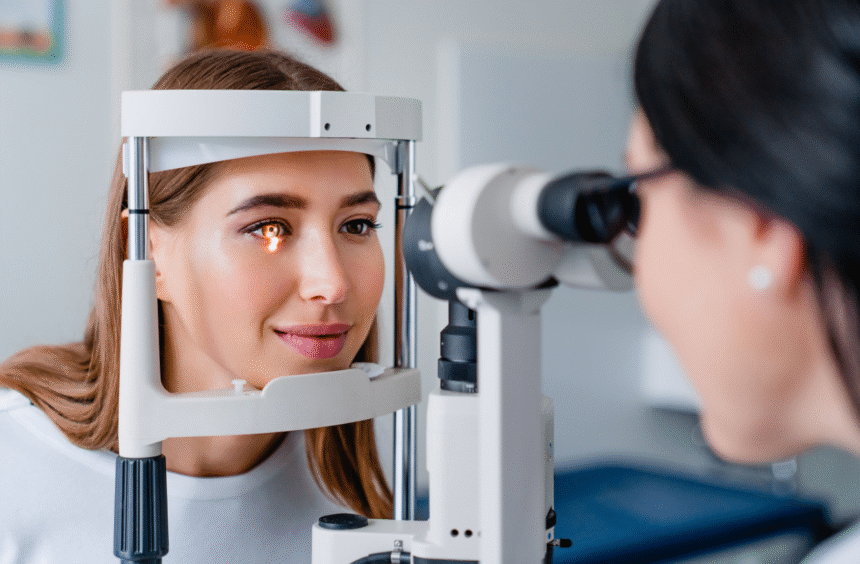
Good eyesight is something most people only think about when it starts getting worse. In today’s world, screens, smartphones, laptops, and less outdoor time have made eye strain more common than ever. Many people wonder if it is possible to improve eyesight naturally without surgery or strong medical treatment.
The honest answer is: you may not be able to completely “change” your eye power naturally if you already have a strong prescription, but you can definitely improve eye health, reduce strain, and support clearer, more comfortable vision. Small daily habits can make a real difference over time.
In this article, we will explore simple, natural and practical ways to improve eyesight health in a human, easy-to-follow way.
1. Eat Foods That Support Eye Health
What you eat plays a big role in how your eyes function. Your eyes need certain vitamins and minerals to stay strong and healthy.
Some of the best nutrients for eyesight include:
- Vitamin A – helps prevent night blindness
- Vitamin C – protects eyes from damage
- Vitamin E – supports eye cell health
- Omega-3 fatty acids – help with dry eyes
- Zinc – improves retina function
Foods that help eyesight naturally:
- Carrots (rich in beta-carotene)
- Spinach and kale (leafy greens)
- Eggs
- Fish like salmon or sardines
- Oranges and lemons
- Almonds and walnuts
A simple habit like adding one green vegetable daily can slowly improve eye strength and reduce fatigue.
2. Follow the 20-20-20 Rule
One of the biggest causes of weak eyesight today is screen strain. People spend hours looking at phones or computers without resting their eyes.
The 20-20-20 rule is very easy:
Every 20 minutes, look at something 20 feet away for at least 20 seconds.
This helps your eye muscles relax. Just like your body gets tired after exercise, your eyes also get tired from constant focusing.
If you work on a computer, set a reminder. This small habit can prevent blurry vision, headaches, and dry eyes.
3. Do Eye Exercises Daily
Just like body exercise keeps you fit, eye exercises help keep your eye muscles active and flexible.
Here are simple exercises:
1. Eye Rolling
Slowly move your eyes in a circular motion. Do 5 times clockwise and 5 times anti-clockwise.
2. Focus Shifting
Hold your finger in front of your face. Focus on it, then shift focus to something far away. Repeat 10 times.
3. Near and Far Focus
Look at something close for 10 seconds, then something far for 10 seconds.
These exercises do not magically change eye power, but they help reduce strain and improve focus ability.
4. Get Enough Natural Light
Spending time outdoors is very important for eye health, especially for children and young adults.
Natural sunlight helps regulate eye development and reduces the risk of nearsightedness (difficulty seeing far objects).
Try to:
- Spend at least 20–30 minutes outside daily
- Walk in natural light in the morning or evening
- Avoid staying indoors all day without sunlight exposure
Even sitting in a park or walking slowly can help your eyes relax naturally.
5. Reduce Screen Time
Too much screen time is one of the biggest reasons for weak eyesight today.
You don’t need to completely stop using devices, but you should manage usage wisely.
Try these habits:
- Lower screen brightness
- Keep your phone at a safe distance
- Avoid using screens in complete darkness
- Take regular breaks
Also, avoid scrolling on your phone right before sleeping. It strains your eyes and affects sleep quality too.
6. Sleep Well Every Night
Your eyes heal and recover while you sleep. Poor sleep can cause:
- Dry eyes
- Blurry vision
- Eye redness
- Headaches
Try to get 7–8 hours of good sleep daily. Deep sleep allows your eyes to rest properly and reduces daily strain.
If you constantly feel tired eyes, your sleep schedule might be part of the problem.
7. Keep Your Eyes Hydrated
Dry eyes are very common, especially for people who use screens a lot.
To keep your eyes fresh:
- Drink enough water daily (6–8 glasses or more)
- Blink often while using screens
- Avoid dry environments when possible
Blinking may sound simple, but it is very important. It keeps your eyes clean and moist.
8. Avoid Smoking and Pollution Exposure
Smoking damages blood flow to the eyes and increases the risk of serious eye diseases. Even second-hand smoke can affect eye health.
Also, dust and pollution can irritate your eyes.
If you live in a polluted area:
- Wear protective glasses when needed
- Wash your eyes gently with clean water
- Avoid rubbing your eyes too much
9. Practice Relaxation for Your Eyes
Stress affects your whole body, including your vision. When you are stressed, your eyes feel more tired and strained.
Simple relaxation methods include:
- Closing your eyes for 2–3 minutes during work breaks
- Deep breathing exercises
- Gentle eye massage around the eyes (not directly on eyeballs)
Relaxed eyes function better and feel less tired.
10. Maintain Good Reading Habits
Reading habits also affect eyesight. Poor habits can increase strain.
Good reading tips:
- Keep books at a proper distance (not too close)
- Read in good lighting
- Avoid reading while lying down for long periods
- Take breaks after 20–30 minutes
Small corrections in reading habits can protect your eyesight in the long run.
Final Thoughts
Improving eyesight naturally is not about quick miracles. It is about building healthy habits that support your eyes every day. While natural methods may not completely remove the need for glasses in all cases, they can reduce strain, improve comfort, and help maintain long-term eye health.
Think of your eyes like a camera. If you take care of the lens, keep it clean, give it rest, and feed your body good nutrition, it will perform much better.
Start with small steps—maybe the 20-20-20 rule or adding more green vegetables—and slowly build from there. Over time, your eyes will feel less tired and more refreshed.
FAQs
1. Can eyesight really improve naturally?
Natural methods can improve eye health and reduce strain, but they usually do not completely reverse high prescription numbers. However, they can help maintain or slightly improve functional vision comfort.
2. How long does it take to see improvement?
It depends on your habits. Some people feel less eye strain within a few days or weeks, but long-term benefits come after consistent practice over months.
3. Do eye exercises actually work?
Eye exercises do not permanently change eye power, but they help relax eye muscles, improve focus flexibility, and reduce tiredness.
4. Is carrot really good for eyesight?
Yes, carrots contain Vitamin A, which is important for eye health. However, eating carrots alone will not dramatically improve vision—you need a balanced diet.
5. Can too much screen time permanently damage eyes?
Excessive screen time does not usually cause permanent blindness, but it can lead to digital eye strain, dryness, and worsening vision over time if not managed properly.