

Seasonal allergies are something millions of people deal with every year. When spring flowers bloom or when autumn winds pick up, many people start sneezing, coughing, or rubbing itchy eyes. These symptoms can feel like a common cold, but they often come from allergies. If you have ever wondered what exactly is causing your symptoms, allergy testing can give you clear answers.
In this article, we will explain what seasonal allergies are, why testing matters, the different types of allergy tests, and what to expect during the process. Everything is written in a simple and easy way so anyone can understand it.
What Are Seasonal Allergies?
Seasonal allergies happen when your immune system reacts to something in the environment during certain times of the year. These triggers are called allergens. The most common seasonal allergens include:
- Pollen from trees (spring)
- Grass pollen (late spring and summer)
- Weed pollen (late summer and fall)
- Mold spores (especially in damp weather)
When your body comes into contact with these allergens, it sees them as harmful, even though they are not. This causes symptoms like:
- Sneezing
- Runny or blocked nose
- Itchy eyes, nose, or throat
- Watery eyes
- Fatigue
These symptoms can affect your daily life, sleep, and overall comfort.
Why Is Allergy Testing Important?
Many people try to guess what they are allergic to. But guessing is not always correct. Allergy testing helps you find the exact cause of your symptoms.
Here’s why testing is helpful:
1. Accurate Diagnosis
You will know exactly what is triggering your allergies.
2. Better Treatment
Doctors can recommend the right medicines or treatments based on your results.
3. Avoidance Planning
Once you know your triggers, you can avoid them more effectively.
4. Long-Term Relief
In some cases, allergy shots or immunotherapy can reduce your sensitivity over time.
Types of Allergy Tests
There are different methods used to test for seasonal allergies. Each one has its own process and purpose.
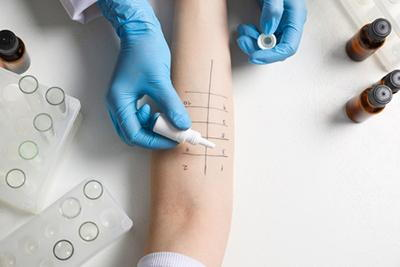
1. Skin Prick Test
This is the most common type of allergy test.
How it works:
- A small drop of allergen is placed on your skin (usually on the arm or back).
- The skin is lightly pricked so the allergen enters just below the surface.
- After 15–20 minutes, the doctor checks for a reaction.
What happens if you’re allergic?
You will develop a small red bump, similar to a mosquito bite.
Benefits:
- Quick results
- Minimal discomfort
- Can test multiple allergens at once
2. Blood Test
Blood tests are used when skin tests are not suitable.
How it works:
- A small blood sample is taken.
- It is tested in a lab to measure your immune system’s response to allergens.
Benefits:
- No skin reaction needed
- Safe for people with skin conditions
- Good for those taking certain medications
Downside:
- Results take longer than skin tests
3. Patch Test
Patch testing is mostly used for skin allergies, but sometimes helps in complex cases.
How it works:
- Patches with allergens are placed on your skin.
- You wear them for 24–48 hours.
- The doctor checks for delayed reactions.
Preparing for an Allergy Test
Before going for testing, there are a few things you should keep in mind:
- Avoid antihistamines for a few days before the test (your doctor will guide you)
- Wear comfortable clothing
- Inform your doctor about any medications you are taking
- Tell your doctor about your symptoms and when they occur
Preparation helps ensure accurate results.
What to Expect During the Test
Most allergy tests are simple and safe.
- The procedure usually takes less than an hour
- You may feel mild itching or discomfort
- Reactions are usually small and temporary
- Medical staff are present in case of rare serious reactions
After the test, your doctor will explain the results and suggest next steps.
Understanding Your Results
Your test results will show which allergens your body reacts to.
For example:
- If you react to tree pollen → your symptoms may worsen in spring
- If you react to grass pollen → summer may be difficult
- If you react to weeds → fall could trigger symptoms
Knowing this helps you prepare for each season.
Treatment Options After Testing
Once your allergies are identified, you can manage them better. Common treatments include:
1. Medications
- Antihistamines
- Nasal sprays
- Eye drops
2. Avoidance
- Stay indoors when pollen levels are high
- Keep windows closed
- Use air purifiers
3. Immunotherapy
- Allergy shots or tablets
- Helps your body build tolerance over time
Simple Tips to Manage Seasonal Allergies
- Check daily pollen forecasts
- Shower after coming home from outside
- Wash clothes frequently
- Wear sunglasses outdoors
- Keep your home clean and dust-free
Small habits can make a big difference.
When Should You Get Tested?
You should consider allergy testing if:
- Your symptoms return every year
- Over-the-counter medicine is not working
- Your allergies affect your sleep or daily routine
- You are unsure what is causing your symptoms
Early testing can prevent long-term discomfort.
Final Thoughts
Seasonal allergies may seem like a small problem, but they can seriously affect your quality of life. The good news is that allergy testing makes it easier to understand your body and take control of your health.
With the right diagnosis, proper treatment, and simple lifestyle changes, you can enjoy every season without constant discomfort.
Frequently Asked Questions (FAQs)
1. Is allergy testing painful?
No, most tests cause only mild discomfort. Skin prick tests feel like a tiny scratch.
2. How long does an allergy test take?
Skin tests usually take about 20–40 minutes, while blood tests may take longer for results.
3. Can children get allergy testing?
Yes, allergy testing is safe for children and often recommended if they show symptoms.
4. Are the results permanent?
Allergies can change over time, so results may vary after a few years.
5. Do I need a doctor for allergy testing?
Yes, it is best to consult a doctor or allergy specialist for accurate testing and guidance.
This guide is meant to help you understand allergy testing in a simple and clear way. Taking the step to get tested can lead to better health and more comfortable living.