

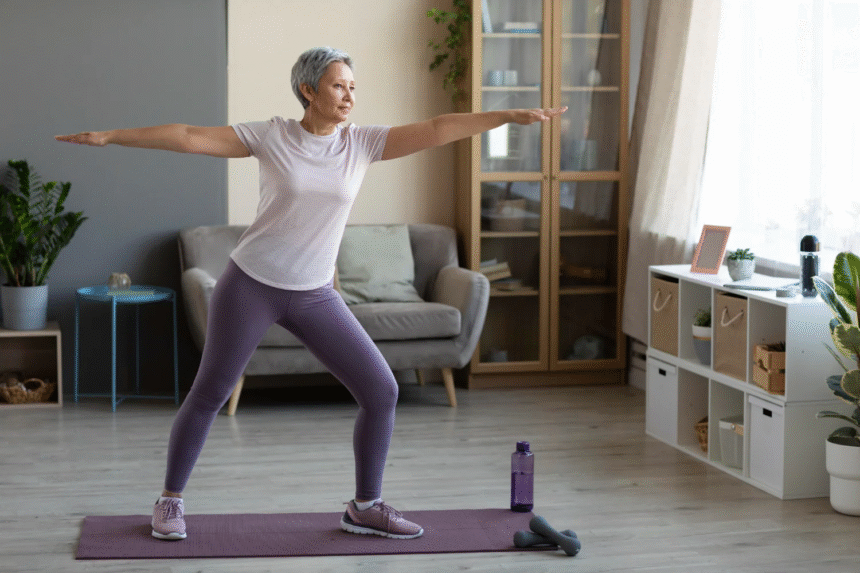
As we grow older, our bodies naturally change. Muscles may weaken, joints can become stiff, and balance might not feel as steady as it once did. But aging does not mean giving up movement. In fact, staying active is one of the best ways to maintain independence, reduce pain, and improve overall quality of life.
Mobility is the ability to move freely and easily. For older adults, good mobility means being able to walk, stand, sit, and perform daily tasks without difficulty. The good news is that with the right exercises, seniors can improve their mobility safely and effectively.
This article explores the best exercises for elderly mobility in a simple and practical way. These exercises are easy to follow, require little or no equipment, and can be done at home.
Why Mobility Exercises Are Important for Seniors
Before jumping into the exercises, it’s important to understand why mobility matters so much.
Regular movement helps:
- Improve balance and prevent falls
- Reduce joint stiffness and pain
- Strengthen muscles
- Boost confidence and independence
- Support heart health and circulation
Even small amounts of daily exercise can make a big difference over time.
1. Walking – The Simplest and Most Effective Exercise
Walking is one of the best exercises for elderly mobility. It is natural, safe, and requires no special equipment.
Benefits:
- Improves cardiovascular health
- Strengthens leg muscles
- Enhances balance and coordination
How to do it:
Start with short walks, even 5–10 minutes a day. Gradually increase the duration as strength improves. Walking indoors or in a safe outdoor area is ideal.
2. Chair Exercises – Safe and Beginner-Friendly
Chair exercises are perfect for seniors who have limited mobility or balance concerns.
Example: Seated Leg Raises
- Sit comfortably in a sturdy chair
- Slowly lift one leg straight out
- Hold for a few seconds, then lower it
- Repeat with the other leg
Benefits:
- Strengthens thighs and hips
- Improves circulation
- Reduces stiffness
3. Stretching – Keeping the Body Flexible
Stretching helps maintain flexibility and prevents tight muscles.
Example: Neck Stretch
- Sit or stand comfortably
- Gently tilt your head to one side
- Hold for 10–15 seconds
- Repeat on the other side
Benefits:
- Reduces muscle tension
- Improves range of motion
- Helps prevent injuries
Stretching should always be done slowly and gently, without pain.
4. Balance Exercises – Preventing Falls
Balance exercises are essential for seniors, as falls are a common risk.
Example: Single-Leg Stand
- Stand behind a chair and hold it for support
- Lift one foot slightly off the ground
- Hold for a few seconds
- Switch legs
Benefits:
- Improves stability
- Builds confidence in movement
- Reduces fall risk
5. Strength Training – Building Muscle Safely
Maintaining muscle strength is key to mobility.
Example: Light Weight Lifting
- Use light dumbbells or water bottles
- Perform simple arm curls
- Repeat 8–10 times
Benefits:
- Strengthens muscles
- Supports joints
- Makes daily activities easier
Strength exercises should be done 2–3 times a week.
6. Heel-to-Toe Walking – Improving Coordination
This exercise helps improve walking stability.
How to do it:
- Walk in a straight line
- Place the heel of one foot directly in front of the toes of the other
- Move slowly and carefully
Benefits:
- Improves coordination
- Enhances balance
- Strengthens leg muscles
7. Ankle Rotations – Supporting Joint Health
Healthy ankles are important for walking and balance.
How to do it:
- Sit comfortably
- Lift one foot slightly off the ground
- Rotate the ankle in circles
- Switch directions and repeat
Benefits:
- Improves joint flexibility
- Reduces stiffness
- Supports better movement
8. Sit-to-Stand Exercise – Daily Movement Practice
This exercise mimics a daily activity and builds strength.
How to do it:
- Sit in a chair
- Slowly stand up without using hands if possible
- Sit back down slowly
Benefits:
- Strengthens legs
- Improves independence
- Builds functional strength
Tips for Safe Exercise
Safety should always come first. Here are some simple tips:
- Start slowly and increase gradually
- Wear comfortable clothing and supportive shoes
- Stay hydrated
- Stop if you feel pain or dizziness
- Consult a doctor before starting a new routine
Creating a Simple Routine
A good weekly routine might include:
- Walking: 3–5 days a week
- Strength exercises: 2–3 days
- Stretching: daily
- Balance exercises: a few minutes each day
Consistency is more important than intensity.
Mental and Emotional Benefits
Exercise is not just good for the body—it also helps the mind.
Regular movement can:
- Improve mood
- Reduce stress and anxiety
- Boost confidence
- Encourage social interaction
Staying active helps seniors feel more positive and connected.
Final Thoughts
Aging is a natural part of life, but losing mobility doesn’t have to be. With simple, regular exercises, seniors can stay active, independent, and confident.
The key is to start small, stay consistent, and listen to the body. Even a few minutes of movement each day can lead to big improvements over time.
Remember, it’s never too late to begin.
Frequently Asked Questions (FAQs)
1. How often should elderly people exercise?
Most seniors should aim for at least 20–30 minutes of light activity most days of the week. However, even shorter sessions can be helpful.
2. Are these exercises safe for everyone?
These exercises are generally safe, but individuals with medical conditions should consult a doctor before starting.
3. What is the best time of day to exercise?
The best time is whenever you feel most comfortable and energetic. Morning is often preferred, but any time works.
4. Can mobility improve with age?
Yes, mobility can improve at any age with regular exercise and proper care.
5. What if I feel pain while exercising?
Stop immediately if you feel pain. Rest and consult a healthcare professional if needed.
By making movement a part of daily life, seniors can enjoy better health, greater independence, and a more active lifestyle.