

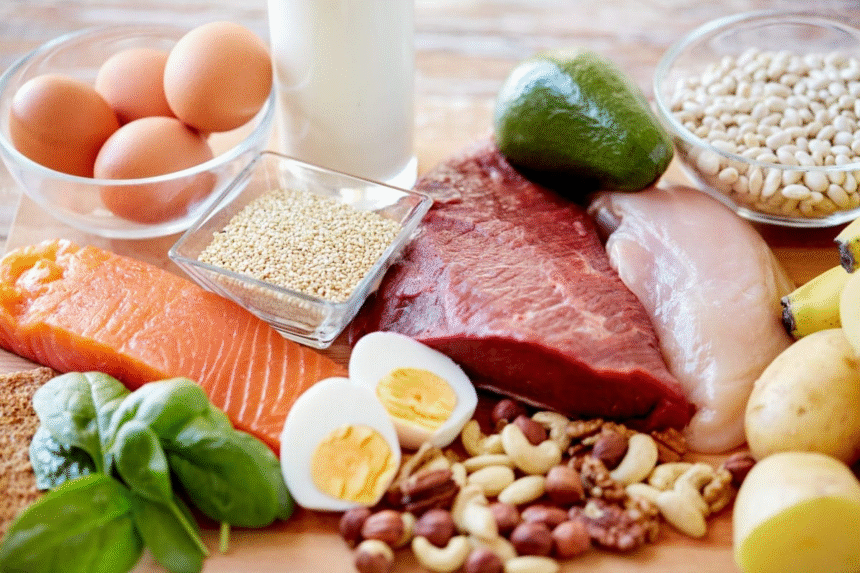
Good health is not just about avoiding illness. It is about giving your body the right fuel so it can work properly every day. One of the best ways to stay healthy is by eating foods rich in essential vitamins and minerals. These nutrients are needed in small amounts, but they play a huge role in keeping your body strong, active, and protected from diseases.
In this article, we will explore what vitamins and minerals are, why they are important, and which foods you should include in your daily diet to get them naturally.
What Are Vitamins and Minerals?
Vitamins and minerals are nutrients that your body needs to function properly. They do not give energy like carbohydrates, fats, or proteins, but they help your body use those nutrients effectively.
- Vitamins are organic compounds that help in growth, immunity, and cell repair.
- Minerals are inorganic elements that support bones, muscles, heart, and brain functions.
Since your body cannot produce most vitamins and minerals on its own, you must get them from food.
Why Are Vitamins and Minerals Important?
Every vitamin and mineral has a special job. If your body lacks even one important nutrient, it can lead to health problems.
Here are some key benefits:
- Strengthen your immune system
- Improve brain function and memory
- Keep bones and teeth strong
- Support healthy skin, hair, and nails
- Help in energy production
- Improve digestion and metabolism
A balanced diet filled with nutrient-rich foods helps prevent diseases and keeps you energetic throughout the day.
Foods Rich in Essential Vitamins and Minerals
Now let’s look at the best natural foods that provide these important nutrients.
1. Leafy Green Vegetables
Leafy greens like spinach, kale, and mustard greens are some of the most powerful foods for your health.
They are rich in:
- Vitamin A (good for eyes and skin)
- Vitamin C (boosts immunity)
- Vitamin K (supports blood clotting and bone health)
- Iron and calcium (important for blood and bones)
Eating leafy greens regularly helps improve energy levels and keeps your body strong.
2. Fruits
Fruits are nature’s sweet gift packed with vitamins, minerals, and antioxidants.
Some excellent choices include:
- Oranges (Vitamin C)
- Bananas (potassium and Vitamin B6)
- Apples (fiber and antioxidants)
- Mangoes (Vitamin A and C)
- Berries (Vitamin C and antioxidants)
Fruits help improve immunity, skin health, and digestion. They also satisfy sweet cravings in a healthy way.
3. Dairy Products
Milk, yogurt, and cheese are rich in calcium and Vitamin D.
They help:
- Strengthen bones and teeth
- Support muscle function
- Improve nerve health
Yogurt also contains probiotics, which are good bacteria that support digestion and gut health.
4. Eggs
Eggs are one of the most complete and affordable sources of nutrition.
They contain:
- Vitamin B12 (supports brain and nerve health)
- Vitamin D (bone health)
- Protein (muscle building)
- Iron and selenium (immunity support)
Eating eggs regularly can help improve overall strength and energy.
5. Nuts and Seeds
Almonds, walnuts, chia seeds, and sunflower seeds are tiny but powerful foods.
They provide:
- Healthy fats
- Vitamin E (good for skin)
- Magnesium and zinc (support metabolism and immunity)
A small handful of nuts every day can improve heart health and brain function.
6. Fish and Seafood
Fish like salmon, sardines, and tuna are rich in essential nutrients.
They contain:
- Omega-3 fatty acids (good for heart and brain)
- Vitamin D
- Iodine and selenium
Fish helps reduce inflammation and supports mental health and concentration.
7. Whole Grains
Whole grains such as brown rice, oats, quinoa, and whole wheat are much healthier than refined grains.
They provide:
- B vitamins (energy production)
- Iron and magnesium
- Fiber (supports digestion)
Whole grains help maintain steady energy levels and improve gut health.
8. Legumes and Beans
Lentils, chickpeas, black beans, and kidney beans are excellent plant-based protein sources.
They are rich in:
- Iron (prevents fatigue)
- Folate (important for cell growth)
- Protein and fiber
They are especially important for vegetarians and vegans.
9. Vegetables Like Carrots and Sweet Potatoes
These colorful vegetables are packed with nutrients.
They contain:
- Vitamin A (supports eyesight)
- Potassium
- Fiber
They help improve vision, skin health, and digestion.
10. Citrus Fruits
Oranges, lemons, grapefruits, and limes are rich in Vitamin C.
They help:
- Strengthen immunity
- Improve skin health
- Speed up wound healing
How to Include These Foods in Your Daily Diet
Eating healthy does not have to be complicated. You can start with small changes:
- Add fruits to your breakfast
- Include vegetables in every meal
- Drink milk or eat yogurt daily
- Snack on nuts instead of junk food
- Eat fish or eggs a few times a week
- Choose whole grains over white bread or rice
The key is balance. You do not need to eat everything at once, but a variety of foods throughout the week.
Simple Tips for Better Nutrition
- Eat fresh and natural foods as much as possible
- Avoid too much processed or fast food
- Drink enough water daily
- Try to eat colorful meals (different colors = different nutrients)
- Do not skip meals
Conclusion
Foods rich in essential vitamins and minerals are the foundation of good health. They help your body grow, repair, and stay strong. Instead of relying on supplements, it is always better to get nutrients from natural foods like fruits, vegetables, dairy, nuts, grains, and proteins.
A healthy diet does not need to be expensive or complicated. With simple choices every day, you can improve your energy, immunity, and overall well-being. Remember, good health starts from your plate.
FAQs
1. What are the most important vitamins for the body?
The most important vitamins include Vitamin A, B-complex, C, D, E, and K. Each one has a different role in keeping the body healthy.
2. Can I get all vitamins from food alone?
Yes, a balanced diet with fruits, vegetables, dairy, grains, and protein foods can provide all essential vitamins and minerals.
3. What happens if I lack vitamins and minerals?
Deficiency can lead to tiredness, weak immunity, poor bone health, skin problems, and other health issues.
4. Are supplements better than food?
Food is always better because it provides nutrients in natural form along with fiber and antioxidants. Supplements are only needed in special cases.
5. How many servings of fruits and vegetables should I eat daily?
It is recommended to eat at least 3–5 servings of vegetables and 2–3 servings of fruits every day for good health.