

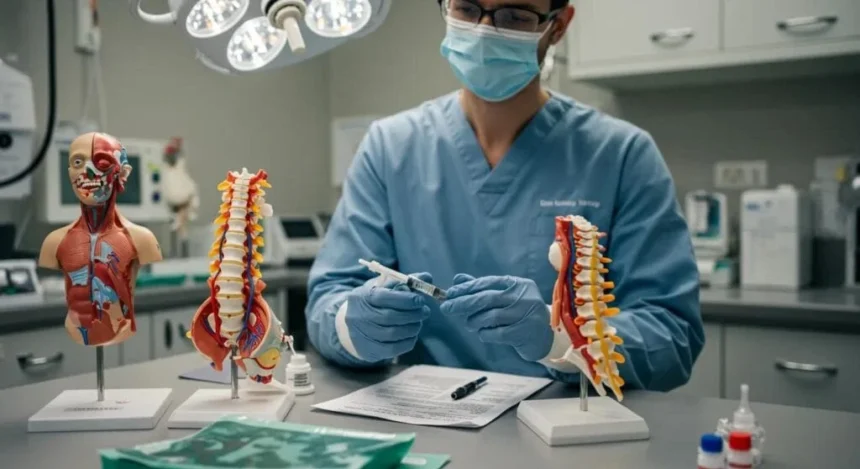
Neurological surgeons are physicians who specialize in the surgical treatment of conditions affecting the brain, spine, and nervous system. They manage a wide range of issues, from spinal disc problems to brain tumors, using both surgical and non-surgical approaches. If you have been referred to one, knowing what to ask can help you better understand your situation and make informed decisions about your care. Here’s information on what to ask your neurological surgeon during a consultation appointment:
What Do My Symptoms Mean?
Your symptoms are the starting discussion point for every neurological evaluation. During your first consultation, it helps to ask direct questions so you understand what your body may be telling you and why those signals matter. Some questions to ask include:
- What Could Be Causing My Symptoms? Ask the neurological surgeons to explain the possible conditions connected to what you are experiencing.
- Are My Symptoms Likely To Progress? Understanding whether symptoms may worsen over time helps you plan ahead.
- Which Symptoms Require Immediate Attention? Knowing which changes should prompt an urgent call or visit gives you a clear plan.
- Are There Other Conditions That Could Explain What I’m Experiencing? This opens a conversation about the full diagnostic picture.
Your symptoms provide data, and a clear explanation of what they may indicate is a reasonable expectation at any consultation.
What Is Diagnosis Like?
Before any treatment decision is made, a thorough diagnostic process takes place. Understanding what that process involves helps prepare you for what comes next. Useful questions will focus on the type of tests given, wait time for results, and the need for referrals. You can inquire about the types of screenings and tests the doctor will run, with common options including MRIs and CT scans. The specific tests will depend on the presented symptoms.
Timelines for results vary, and knowing what to expect helps you manage the waiting period. At the time of the appointment, the doctor will provide a timeframe and explain next steps. Diagnosis is a process; asking these questions helps you stay informed.
What Treatment Do I Need?
Once a diagnosis is established, the next step is understanding your treatment options. Surgery is not always the first or only path, and your surgeon can walk you through the full range of possibilities. You may want to ask about recovery time, activity restrictions, and the support you will need at home, since these practical details affect your planning. Because every situation is different, it is key to ask about your treatment options. Ask questions such as:
- What Are All the Treatment Options Available to Me?
- What Are the Risks and Benefits of Each Option?
- What Happens if I Choose Not To Treat This Condition?
- How Much Experience Do You Have Performing This Procedure?
Benefit From Working With Neurological Surgeons
Preparing the right questions is central to an effective appointment. A good neurological surgeon will welcome your questions, and clear communication helps build the trust necessary for effective care. While no surgeon can guarantee specific outcomes, understanding your diagnosis, the diagnostic process, and your treatment options puts you in a stronger position to make decisions that align with your goals. Bring a list of questions to your appointment, and don’t hesitate to ask for clarification on anything that is unclear.