
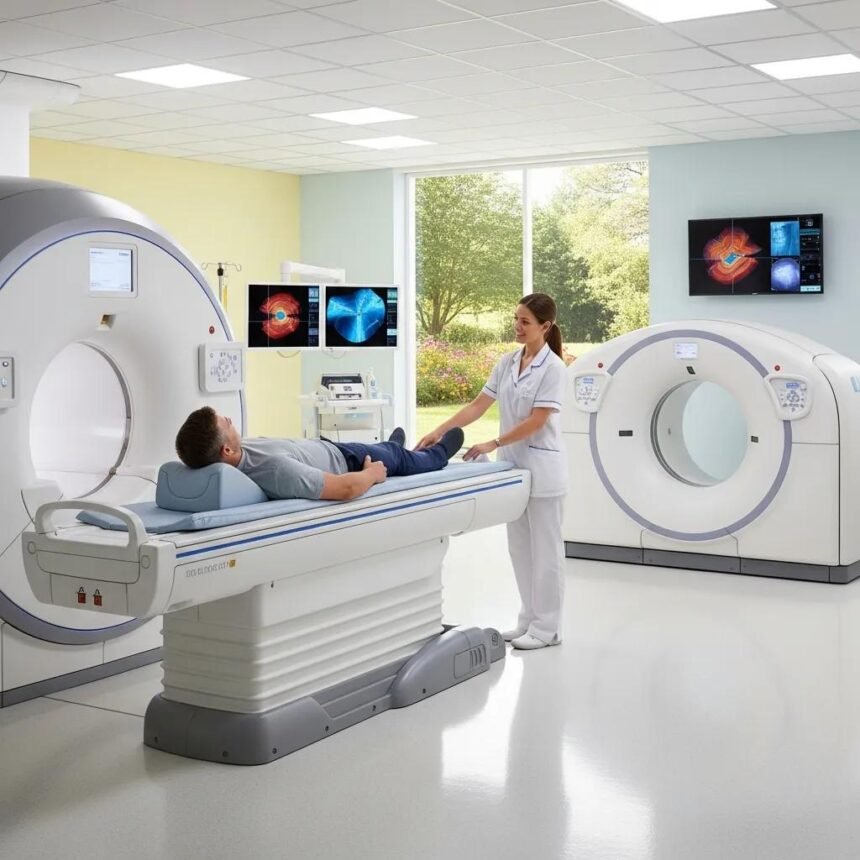
Interventional radiology uses imaging technology to guide small instruments through the body. Physicians rely on CT scans, ultrasound, and MRI to reach precise locations without large incisions, and this often replaces open surgery for many conditions, including cancer. The field includes techniques that diagnose, treat, and monitor tumors with growing accuracy. Here are some innovations in interventional radiology for cancer treatment:
Image-Guided Cancer Diagnosis
A clear diagnosis starts with accurate sampling of suspicious tissue. Interventional radiology relies on image-guided biopsies and real-time scans to direct a thin needle toward a tumor. The imaging shows the needle’s exact path, and this helps the physician avoid nearby blood vessels and organs. Precision matters when the tissue sample comes from a deep or hard-to-reach area, such as the liver, lung, or pancreas.
Imaging also supports staging and treatment planning; doctors review detailed scans to measure tumor size, location, and spread before treatment begins. When you understand the full picture early, your care team can build a treatment plan tailored to your situation. These steps form the foundation for the targeted therapies that follow.
Targeted Cancer Drug Delivery
Targeted drug delivery focuses medication directly on a tumor rather than the entire body. One approach is transarterial chemoembolization (TACE). During this procedure, the physician threads a catheter through an artery to the blood vessels feeding a tumor. Chemotherapy is then released at that site, and small particles block the vessels, slowing blood flow.
Another method, radioembolization, delivers tiny radioactive beads through the same arterial route. These beads lodge in the vessels around a tumor, and they emit radiation over a short period. Since the treatment concentrates in one region, the surrounding healthy tissue receives less exposure than it would during systemic therapy.
Patients with liver tumors are often evaluated for these techniques, though eligibility depends on individual factors. Your physician reviews your scans, lab results, and overall health before recommending an option. If a tumor is near key structures, clinicians may use a staged approach that enables precise targeting in each session.
Minimally Invasive Tumor Ablation
Minimally invasive tumor ablation directly targets and destroys cancerous cells while minimizing harm to surrounding healthy tissue. The procedure eliminates tumor tissue using heat, cold, or electrical energy. Through a small skin entry point, the interventional radiologist guides a probe directly into the tumor. Radiofrequency ablation and microwave ablation apply heat to the targeted cells, while cryoablation freezes them. Imaging confirms probe placement throughout the procedure, so treatment stays within the intended zone. These methods treat tumors in the liver, kidney, lung, and bone, among other sites. Many ablation procedures take place on an outpatient basis, which means you often return home the same day.
Learn More About Interventional Radiology
Interventional radiology continues to develop tools for diagnosing and treating cancer through small, image-guided procedures. These techniques work alongside surgery, chemotherapy, and radiation as part of a broader care plan. Each option depends on your diagnosis and tumor characteristics. To find out whether any of these procedures fit your situation, schedule a consultation with an interventional radiologist today.