
A bright, white smile can make a big difference in how you look and feel. Many people want whiter teeth, but not everyone has the time or money to visit a dentist regularly. The good news is that there are many safe and effective ways to whiten your teeth at home.
In this article, we will explore the best teeth whitening options you can try at home. We’ll explain how they work, their benefits, and what you should be careful about. By the end, you’ll have a clear idea of what method might work best for you.
Why Do Teeth Become Yellow?
Before we talk about whitening options, it’s important to understand why teeth lose their natural whiteness.
Teeth can become yellow or stained due to several reasons:
- Drinking tea, coffee, or soda regularly
- Smoking or using tobacco
- Poor oral hygiene
- Aging
- Certain medications
Over time, stains build up on the outer layer of your teeth, making them look dull or discolored.
1. Whitening Toothpaste
Whitening toothpaste is one of the easiest and most affordable ways to improve your smile at home.
These toothpastes contain mild abrasives that help remove surface stains. Some also include gentle whitening agents like hydrogen peroxide.
Benefits:
- Easy to use (just brush like normal)
- Affordable
- Helps maintain results over time
Things to Keep in Mind:
- Results are usually slow
- Works best for light stains, not deep discoloration
2. Whitening Strips
Whitening strips are thin, flexible plastic strips coated with a whitening gel. You place them directly on your teeth for a certain time each day.
Benefits:
- Visible results within a few days
- Easy to apply
- More effective than toothpaste
Things to Keep in Mind:
- Can cause temporary tooth sensitivity
- Must be used regularly for best results
3. Baking Soda and Lemon (Use Carefully)
Baking soda is a natural cleaning agent that can help remove stains. Some people mix it with lemon juice for extra effect.
Benefits:
- Natural and inexpensive
- Helps remove surface stains
Things to Keep in Mind:
- Too much use can damage enamel
- Lemon is acidic and can weaken teeth if overused
Tip: Use this method only occasionally, not daily.
4. Activated Charcoal
Activated charcoal has become popular for teeth whitening. It works by absorbing stains and toxins from the teeth.
Benefits:
- Natural option
- Can help remove surface stains
Things to Keep in Mind:
- Not enough scientific proof for strong whitening
- Can be messy
- Overuse may wear down enamel
5. Hydrogen Peroxide Rinse
Hydrogen peroxide is a common ingredient in many whitening products. You can use a diluted solution as a mouth rinse.
Benefits:
- Kills bacteria
- Helps whiten teeth gradually
Things to Keep in Mind:
- Must be diluted properly
- Do not swallow
- Overuse can irritate gums
6. Whitening Pens
Whitening pens are small, portable tools filled with whitening gel. You simply apply the gel directly onto your teeth.
Benefits:
- Very convenient
- Great for quick touch-ups
- Easy to carry anywhere
Things to Keep in Mind:
- Results are not as strong as strips
- Requires regular use
7. Oil Pulling (Natural Method)
Oil pulling is an ancient method that involves swishing oil (like coconut oil) in your mouth for about 10–15 minutes.
Benefits:
- Improves oral hygiene
- May reduce bacteria and plaque
- Natural and safe
Things to Keep in Mind:
- Whitening results are mild
- Requires patience and consistency
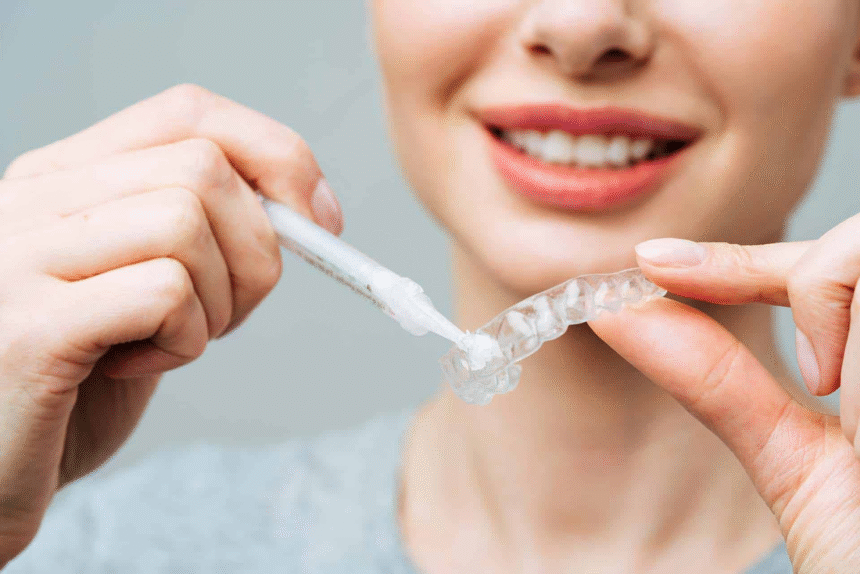
8. Whitening Trays (At-Home Kits)
Some at-home kits come with trays that fit over your teeth and contain whitening gel.
Benefits:
- More even whitening
- Stronger results than toothpaste or pens
- Can be used multiple times
Things to Keep in Mind:
- Can feel uncomfortable at first
- Must follow instructions carefully
Tips for Better Results
No matter which method you choose, these tips will help you get better results:
- Brush your teeth twice a day
- Avoid foods that stain (coffee, tea, soda)
- Drink water after meals
- Don’t smoke
- Be consistent with your chosen method
Are Home Whitening Methods Safe?
Most at-home whitening options are safe if used correctly. However, overusing products or using strong chemicals incorrectly can damage your teeth or gums.
If you have sensitive teeth or gum problems, it’s always a good idea to consult a dentist before trying new whitening methods.
Final Thoughts
Whitening your teeth at home is easier than ever. Whether you prefer natural methods like oil pulling or more advanced options like whitening strips, there is something for everyone.
The key is to choose a method that fits your lifestyle and use it consistently. Remember, results take time, so be patient and gentle with your teeth.
A healthy smile is not just about whiteness—it’s also about good hygiene and care.
Frequently Asked Questions (FAQs)
1. How long does it take to whiten teeth at home?
It depends on the method you use. Whitening toothpaste may take a few weeks, while strips or kits can show results in a few days.
2. Can I whiten my teeth naturally at home?
Yes, methods like baking soda, oil pulling, and good oral hygiene can help, but results are usually mild and slower.
3. Is teeth whitening safe for sensitive teeth?
Some products can cause sensitivity. If you have sensitive teeth, look for products designed for sensitivity or consult a dentist.
4. How often should I whiten my teeth?
Follow the instructions of the product you are using. Overuse can harm your enamel and gums.
5. Can yellow teeth become white again?
Yes, in many cases. Surface stains can be removed, but deep stains may require stronger treatments or professional help.
With the right approach and a little patience, you can achieve a brighter, more confident smile right from your home.