

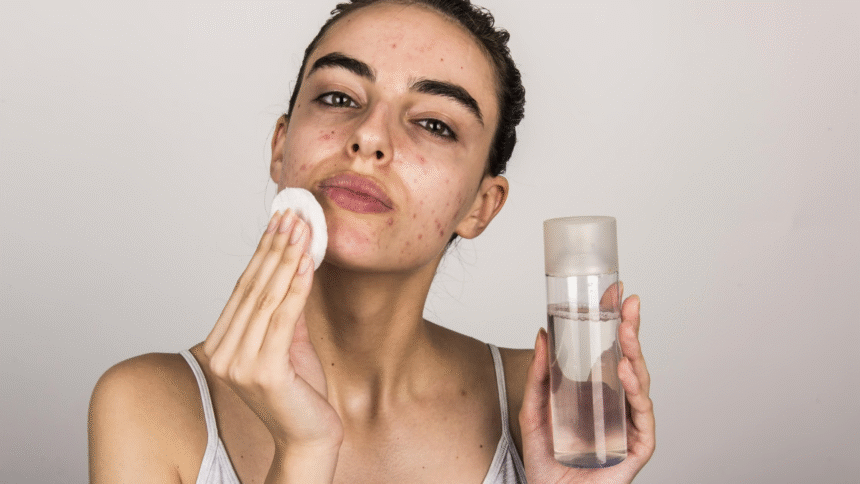
Dealing with acne can feel frustrating, especially when you’ve tried different products and still don’t see results. The truth is, acne-prone skin needs a simple, consistent, and gentle routine rather than harsh treatments or constant product switching. If you understand your skin and treat it with care, you can reduce breakouts and improve your overall skin health.
In this article, I’ll walk you through the best skincare routine for acne-prone skin in a simple, practical way that actually works.
Understanding Acne-Prone Skin
Before building a routine, it’s important to understand what causes acne. Acne usually happens when pores get clogged with oil, dead skin cells, and bacteria. Hormones, stress, diet, and even using the wrong skincare products can make it worse.
Acne-prone skin is often oily or combination, but even dry skin can experience breakouts. That’s why choosing the right products and following a consistent routine is key.
Step 1: Gentle Cleansing (Twice Daily)
Cleansing is the foundation of any skincare routine. For acne-prone skin, it’s important to use a gentle cleanser that removes dirt, oil, and makeup without stripping your skin.
Wash your face twice a day—once in the morning and once at night. Avoid over-washing because it can irritate your skin and cause more oil production.
Look for cleansers with ingredients like salicylic acid or tea tree oil, which help fight acne gently.
Step 2: Use a Toner (Optional but Helpful)
A toner can help remove any leftover dirt and balance your skin’s pH. It also prepares your skin to absorb other products better.
Choose an alcohol-free toner with soothing ingredients like aloe vera or witch hazel. Avoid harsh toners that can dry out your skin.
Step 3: Apply Acne Treatment
This step is where you target breakouts directly. Acne treatments usually contain active ingredients that help clear pores and reduce inflammation.
Some common ingredients include:
- Salicylic acid (cleans pores)
- Benzoyl peroxide (kills bacteria)
- Niacinamide (reduces redness and oil)
Apply a thin layer only to affected areas or as directed. Start slowly to avoid irritation.
Step 4: Moisturizing is Essential
Many people with acne skip moisturizer, thinking it will make their skin more oily. This is a mistake.
When your skin is dehydrated, it produces even more oil, which can lead to more breakouts.
Use a lightweight, oil-free, and non-comedogenic moisturizer. Gel-based moisturizers work especially well for acne-prone skin.
Step 5: Sunscreen Every Morning
Sunscreen is one of the most important steps, even if you stay indoors most of the day.
Sun exposure can worsen acne scars and cause pigmentation. Some acne treatments also make your skin more sensitive to sunlight.
Use a broad-spectrum sunscreen with at least SPF 30. Choose a non-greasy formula designed for oily or acne-prone skin.
Step 6: Weekly Exfoliation (1–2 Times)
Exfoliation helps remove dead skin cells that can clog pores. However, over-exfoliating can damage your skin barrier and cause irritation.
Use a gentle chemical exfoliant like AHAs or BHAs once or twice a week. Avoid harsh scrubs with large particles.
Step 7: Keep Your Routine Simple
One of the biggest mistakes people make is using too many products at once. This can irritate the skin and make acne worse.
Stick to a simple routine and give products time to work. It usually takes a few weeks to see noticeable results.
Lifestyle Tips for Acne-Free Skin
Skincare is important, but your daily habits also play a big role in managing acne.
- Drink plenty of water to keep your skin hydrated
- Avoid touching your face frequently
- Change pillowcases regularly
- Eat a balanced diet with less oily and sugary food
- Manage stress through exercise or relaxation techniques
Common Mistakes to Avoid
Even with a good routine, some habits can make acne worse:
- Using harsh products that dry out the skin
- Popping pimples (this can cause scars)
- Skipping sunscreen
- Changing products too frequently
- Not being consistent
Consistency is more important than perfection.
Final Thoughts
The best skincare routine for acne-prone skin is not about using expensive products or following complicated steps. It’s about being gentle, consistent, and patient.
Focus on cleansing, treating, moisturizing, and protecting your skin daily. Over time, you’ll notice fewer breakouts, smoother texture, and healthier skin.
Remember, every skin type is different. What works for someone else may not work for you, so listen to your skin and adjust your routine accordingly.
FAQs
1. How long does it take to see results from an acne routine?
It usually takes 4 to 6 weeks to see noticeable improvements. Consistency is key.
2. Can I skip moisturizer if I have oily skin?
No, skipping moisturizer can make your skin produce more oil. Always use a lightweight, oil-free moisturizer.
3. Is it okay to use multiple acne treatments at once?
It’s better to start with one treatment to avoid irritation. You can slowly add more if needed.
4. Does diet affect acne?
Yes, oily foods, sugar, and dairy can trigger breakouts in some people. A balanced diet helps improve skin health.
5. Should I pop pimples to make them go away faster?
No, popping pimples can cause scars and spread bacteria. It’s best to let them heal naturally.