

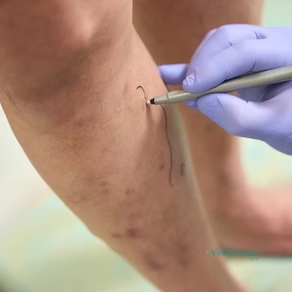
Varicose veins develop when the vein valves no longer move blood efficiently through the legs. These enlarged veins often appear near the surface of the skin, and they commonly affect the lower extremities because of increased pressure within the veins. Many adults experience varicose veins as a result of circulation problems, prolonged standing, aging, or family history. When blood flows backward due to weakened valves, the veins stretch and become enlarged over time. Here is more information on why varicose veins occur:
Blood Circulation Mechanisms
Veins carry low-oxygen blood from the body back to the heart. These blood vessels contain small valves, and the valves help keep blood moving in the correct direction through the circulatory system. Healthy vein valves open and close as blood travels upward, which helps prevent blood from flowing backward into the legs.
The veins in the lower body work against gravity to return blood to the heart. Because the legs are farther from the heart, circulation in this area depends heavily on proper valve function and muscle movement to support blood flow. When these valves weaken or stop closing properly, blood can collect inside the veins, which may contribute to swelling, discomfort, or the development of varicose veins over time.
Valve Failure Issues
Venous insufficiency develops when the valves inside the veins begin to weaken or lose their ability to close properly. Veins normally move low-oxygen blood back toward the heart, and the valves help keep the blood flowing in one direction. When the valves no longer seal completely, blood can move backward and collect in the lower legs.
As blood pools in the veins, pressure inside the vessels gradually rises. The increased pressure stretches the vein walls and reduces their ability to maintain normal circulation. Over time, the veins may enlarge and become more noticeable beneath the skin. Swelling, aching, and heaviness in the legs also develop as circulation becomes less efficient.
In more advanced cases, the affected veins may twist and bulge outward, forming visible varicose veins. These enlarged vessels often appear raised or rope-like because the damaged veins continue holding excess blood under pressure. Vein conditions related to valve failure can affect circulation over long periods, which is why medical evaluation is often recommended when symptoms continue or worsen.
Patient Risk Factors
Age naturally affects vein strength and elasticity, but genetics and lifestyle factors also influence circulatory health. Hereditary traits often affect how well the vein walls and valves function over time. This may increase the likelihood of developing venous conditions. Prolonged standing places added pressure on the veins in the legs because blood must move against gravity to return to the heart. Excess body weight is able to create additional strain on the circulatory system. Over time, this pressure may weaken the valves and reduce circulation efficiency. Hormonal changes are also able to affect vein elasticity and blood vessel function, which often contribute to the development of venous insufficiency and other vein-related conditions.
Schedule Your Varicose Veins Consultation
Interventional radiologists treat various circulation issues, and they offer effective outpatient procedures. Because unmanaged symptoms can worsen, patients often require medical advice early, and a professional evaluation provides clarity. Contact a medical specialist to book an appointment today.